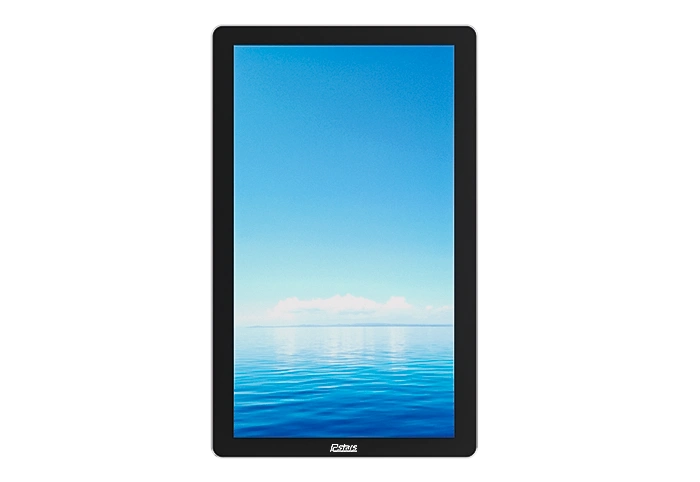
RCS-320JF
32 inch Interactive Ultra-thin Display for Bus
It is mainly used in transportation, such bus, airplane, train and so on. Combining passenger Information, entertainment and advertising together on one screen.

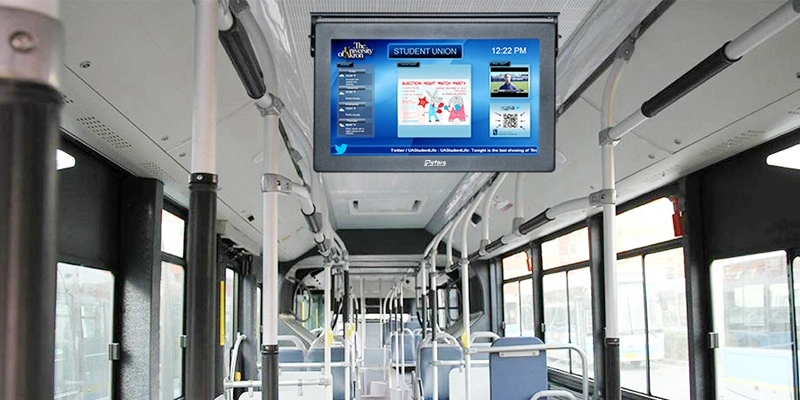
Anti-vibration design: Built-in anti-vibration pad can resist the impact and vibration caused by road bumps during driving, providing passengers with a stable display, and also avoiding equipment damage and malfunction.
On-board antenna configuration: including GPS and data antenna two parts, GPS is used to receive GPS signal, data antenna is used to receive and send data signal.
Two optional mounting methods: Choose ceiling mounting or hand ring mounting, either one is very stable.
Equipped with cooling fans: According to different screen sizes, the corresponding number of cooling fans are equipped to take away the heat generated by the continuous operation of the panel and sunlight exposure to ensure a safe 7/24 uninterrupted display.
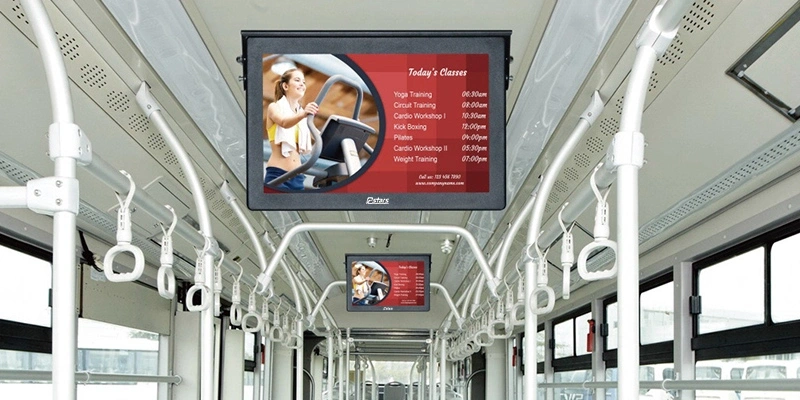
Provide vehicle navigation function: Through GPS positioning, it can provide drivers and passengers with driving navigation, route inquiry, real-time road information service, and also monitor vehicle location and driving status.
Provide advertising promotion service: Digital signage in vehicles can provide accurate advertising promotion service according to the location and driving route of vehicles through targeted advertising promotion service to increase business value.
Improve driver experience: In-vehicle digital signage can provide a variety of entertainment and information services, such as music playback, news and information, weather forecasts, etc., to improve the driving experience and safety of drivers.
Data analysis and processing: In-vehicle digital signage can collect vehicle driving data, conduct data analysis and processing, understand vehicle driving conditions and driver behavior, and improve the efficiency and safety of vehicle management.
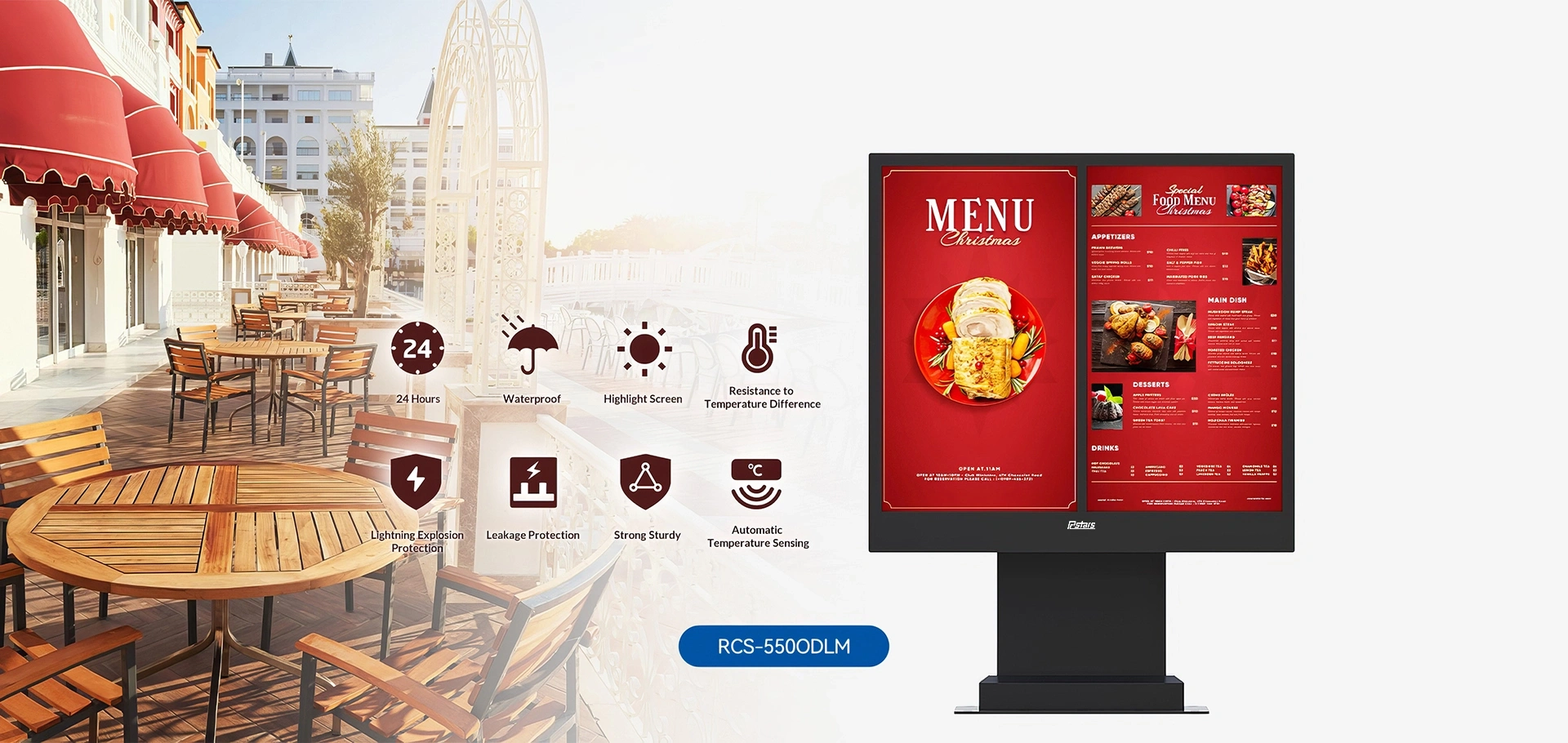
There is no single universal price. Smaller commercial configurations can start below $1,000, while larger freestanding systems can cost several thousand dollars. Premium double-sided, kiosk, and highly customized solutions can reach significantly higher price levels. For project-based orders, pricing can be more flexible depending on quantity, configuration, customization, and overall project requirements. That is why a…
A casino never competes for attention in a quiet room. Slot-machine lighting, animated ceilings, live sports, music, architectural features and thousands of moving guests all fight for the same field of view. A standard television placed on the wall can technically show an advertisement, yet still disappear inside that environment. Digital signage for casinos must…
1. How Transparent Displays Are Changing Commercial Interaction A conventional digital display can deliver bright content, but it also creates a solid visual barrier. In a luxury showcase, museum exhibit or contemporary lobby, that barrier may hide the product, interrupt natural light or conflict with the architect’s intended sightline. A transparent touch screen monitor approaches…
A standard 16:9 screen often becomes the wrong shape before it becomes the wrong technology. It may fit a meeting room wall, yet leave little room for installation along a shelf edge, above a platform entrance, across a narrow restaurant counter or beside an architectural column. Ultra stretch digital signage addresses this mismatch by turning…
We provide one-stop digital signage solutions according to your needs.